
Carpet Craze: Oriental Rugs, the Native Advantage, and Britain’s First Turks
Database
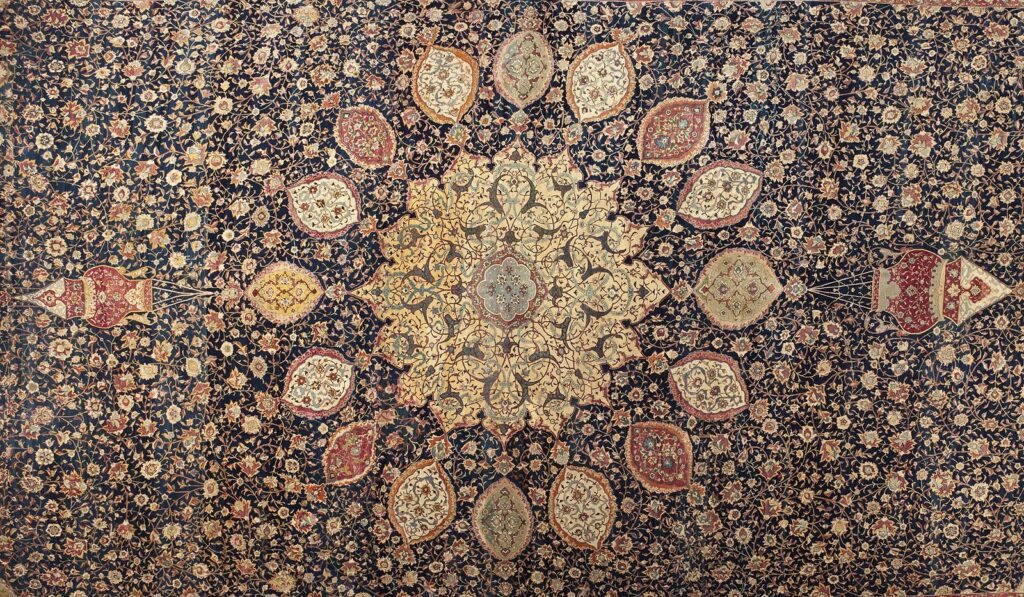
Beginning in the 1860s, thousands of Ottomans immigrated to the West in search of new livelihoods and destinies. This database assembles the traces of their commercial and personal lives, radiating outwards from Britain.
Published Works

The “Ottoman Immigrants” project has informed a variety of journal articles, book chapters, books, and blogs, some of them forthcoming.
Sponsors

The “Ottoman Immigrants” project has been supported by the University of Massachusetts Amherst and a number of non-profit institutions and foundations.
The Ottoman Empire was the largest and longest surviving empire in the Islamic world, stretching from the Middle East and North Africa to the Balkans and Hungary. It emerged in 1299, reached its territorial peak in the sixteenth century, and ceased to exist in 1923. Ethnically and religiously diverse, the Ottoman Empire was home to hundreds of distinct groups, including Sephardi, Ashkenazi, and Middle Eastern Jews; Armenian and Greek Christians, and Syrian Muslims. As the empire lost territory in the nineteenth century, thousands of Ottoman subjects streamed out of their homeland and resettled in Europe and the Americas. The “Ottoman Immigrants” project seeks to recover the history of Jewish, Christian, and Muslim Ottomans who settled in the United Kingdom starting in the 1860s and created trans-national businesses and families. While the study of Ottoman migration to the West has advanced considerably in the last two decades, what is missing is both a macro-history of the migration process and detailed case studies. This project addresses both approaches through published scholarship and this companion website.